
Case study: Royal College of Art, South Kensington and Battersea campuses
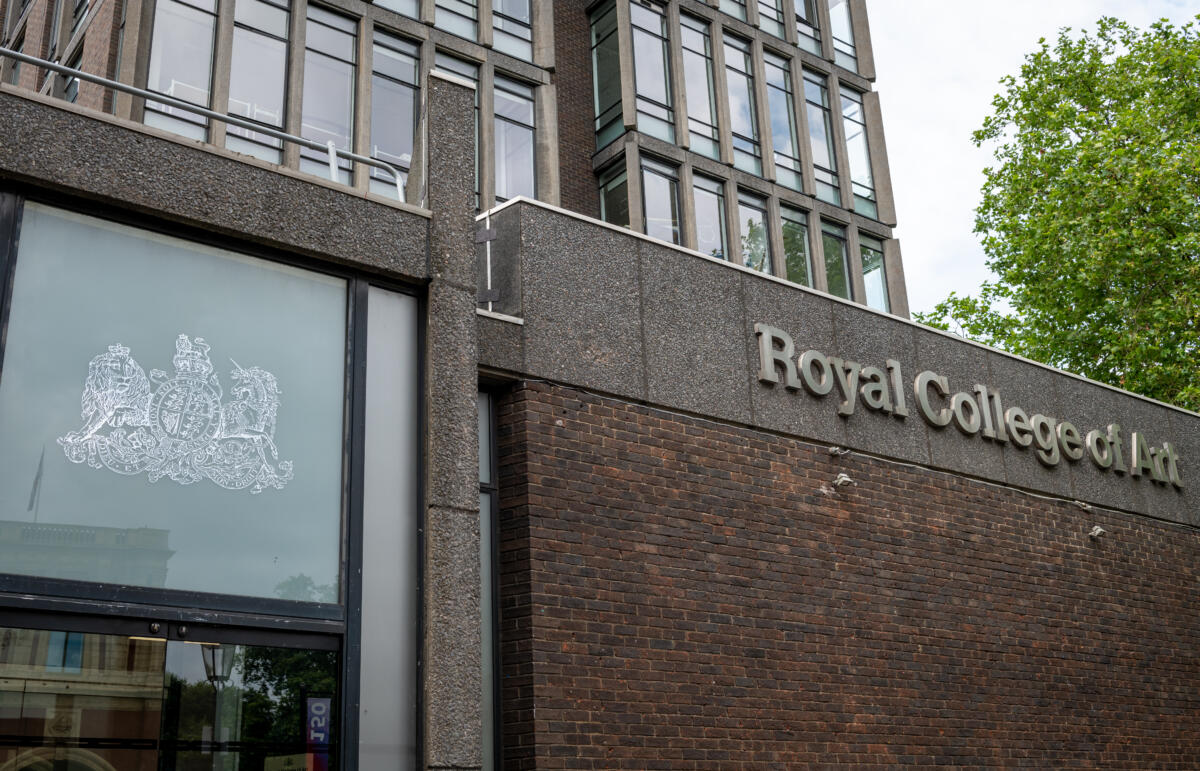
Planning net zero strategies across ten buildings in the Royal College of Art estate
What is the project?
Project stage: Plan and Prepare
The Royal College of Art (RCA) has set ambitious targets to cut energy-related emissions by 42% by 2030 and reduce Scope 1, 2 and 3 emissions by 90% by 2035. The Mayor of London’s Zero Carbon Accelerator is supporting this ambition by identifying practical, costed measures to eliminate emissions from gas use across the estate.
The project developed net zero strategies for 10 buildings across the South Kensington and Battersea campuses. These buildings include large teaching and workshop spaces with specialist equipment, such as kilns and glass furnaces, as well as smaller staff facilities.
What the project delivered
A range of targeted measures were identified to reduce emissions and improve energy performance across the estate. These include:
- improved energy metering
- enhanced HVAC (heating, ventilation and air conditioning) controls
- LED lighting upgrades
- electrification of space heating, primarily through air source heat pumps
- electrification of natural gas-powered specialist equipment.
The proposed interventions were modelled to assess their impact on energy use, carbon emissions and costs. This work provides a clear pathway for RCA to achieve net zero by 2035
The project also included a review of the RIBA Stage 2 design for a major refurbishment, identifying further opportunities to embed net zero measures into planned works.
Zero Carbon Accelerator support
This work focused on the Plan and Prepare stages of the programme.
The project included:
- energy data analysis
- building energy audits
- energy conservation measure options appraisal and modelling
- final reporting and presentation of findings.
As a specialist university, RCA benefitted from additional technical expertise and capacity provided by the Zero Carbon Accelerator. The work gave the College a much clearer picture of current energy use and the scale of change needed to decarbonise, moving beyond previous high‑level reporting.
This evidence will help the College build a strong, data-led case for investment.
“The support from the Zero Carbon Accelerator has been instrumental in helping us navigate the complexities of retrofitting our estate. The team has provided technical expertise to translate our net zero ambitions into an actionable roadmap. We now possess a clear, data-led understanding of the infrastructure upgrades and capital investment needed to secure a net zero future for our estate.”
Paul Draper, Director of Estates Development, Management and Planning, Royal College of Art
Funding opportunities identified
The team highlighted several potential funding routes to support future delivery phases, including:
- Boiler Upgrade Scheme
- National Lottery Heritage Fund
- Energy-as-a-Service models
- public fundraising opportunities.
How the Zero Carbon Accelerator Accelerator worked with the College
Producing an early draft report helped confirm expectations around format and level of detail, making later review stages more efficient. Early engagement with estates, finance and project leads supported faster decision-making and reduced delays.
The project team increased resources early in the programme to align with RCA staff availability. This ensured building audits and early findings stayed on track.
RCA’s eligibility for public sector funding required early clarification. The finance team worked closely with the project team to confirm requirements and ensure value for money across the proposed options.
Energy and carbon impact of the project
Modelling from this project estimates:
- 4,656,000 kWh per year reduction in gas use
- 1,230,000 kWh per year increase in electricity use (due to electrification)
- 600 tCO₂e per year reduction in emissions.
Royal College of Art’s future decarbonisation plans
Following the project, RCA plans to:
- Align long-term maintenance planning with the decarbonisation roadmap over the next 2–3 years.
- Ensure the Darwin Building refurbishment reflects the findings from this work.
- Develop a 5–10 year delivery plan for wider decarbonisation across the estate.
How could this be applied more widely?
The RCA estate includes a diverse mix of buildings, from offices and welfare facilities to teaching spaces and studios. This makes the approach highly replicable across similar estates.
Findings from the assessment of specialist equipment, such as kilns and furnaces, will help inform future decarbonisation of natural gas-powered specialist equipment.
The design review process also identified net zero measures that can be embedded into future refurbishment projects across the College.