
Case study: Pepys Estate, London Borough of Lewisham
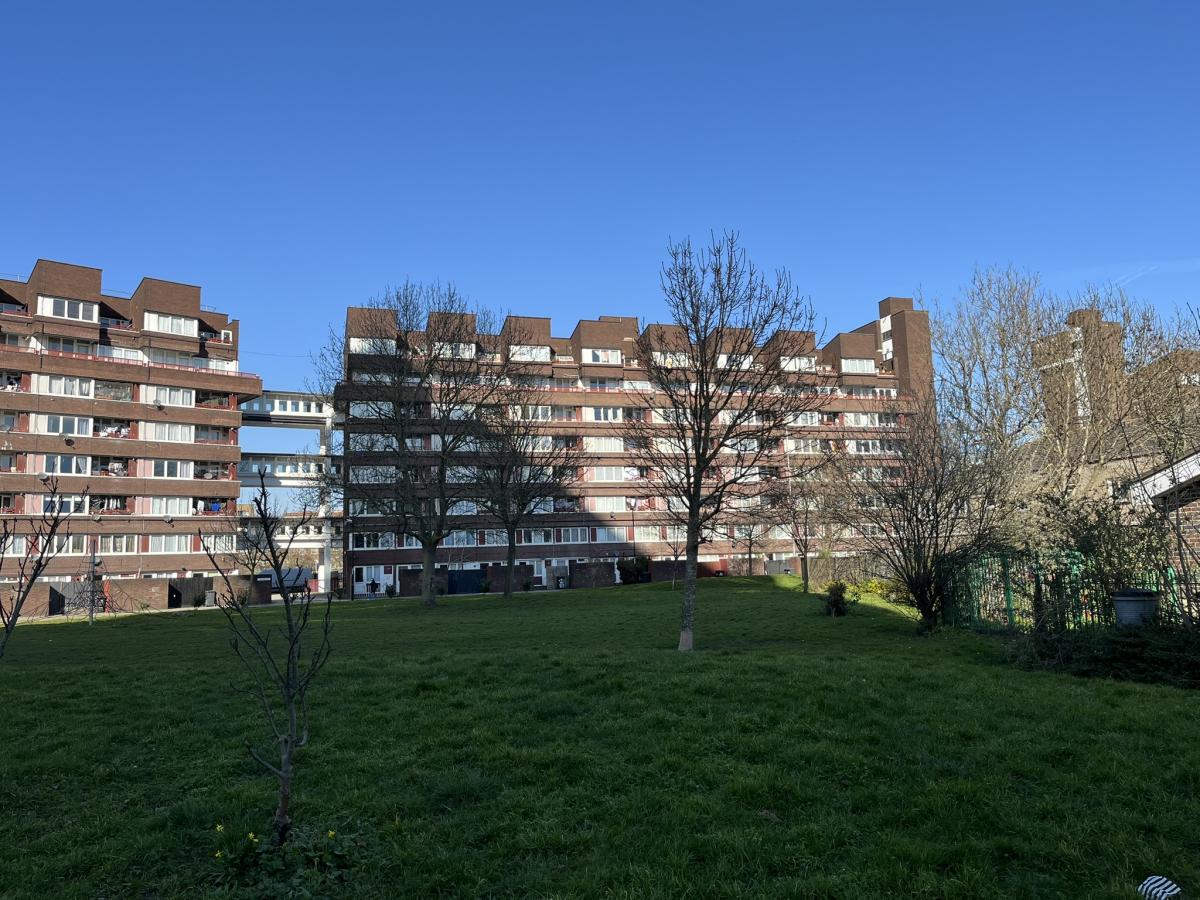
Supporting an estate-wide decarbonisation strategy with plans for heat network connection and smart neighbourhood solutions
What is the project?
Project stage: Plan
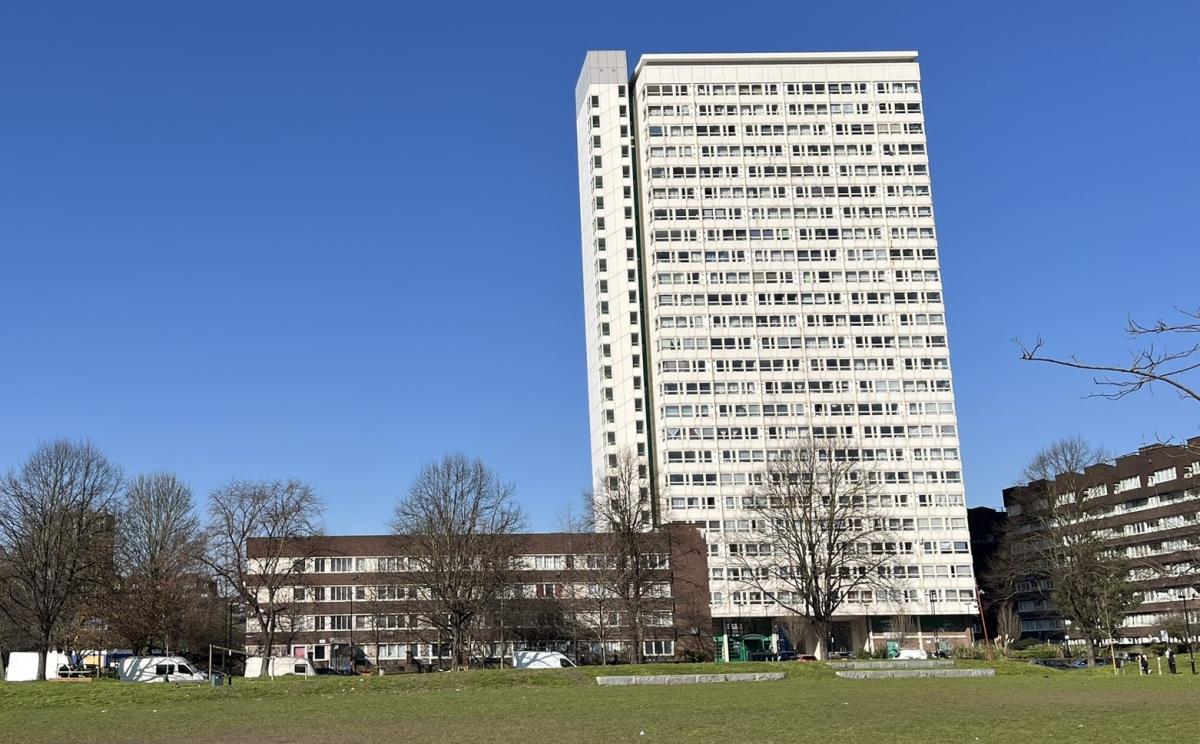
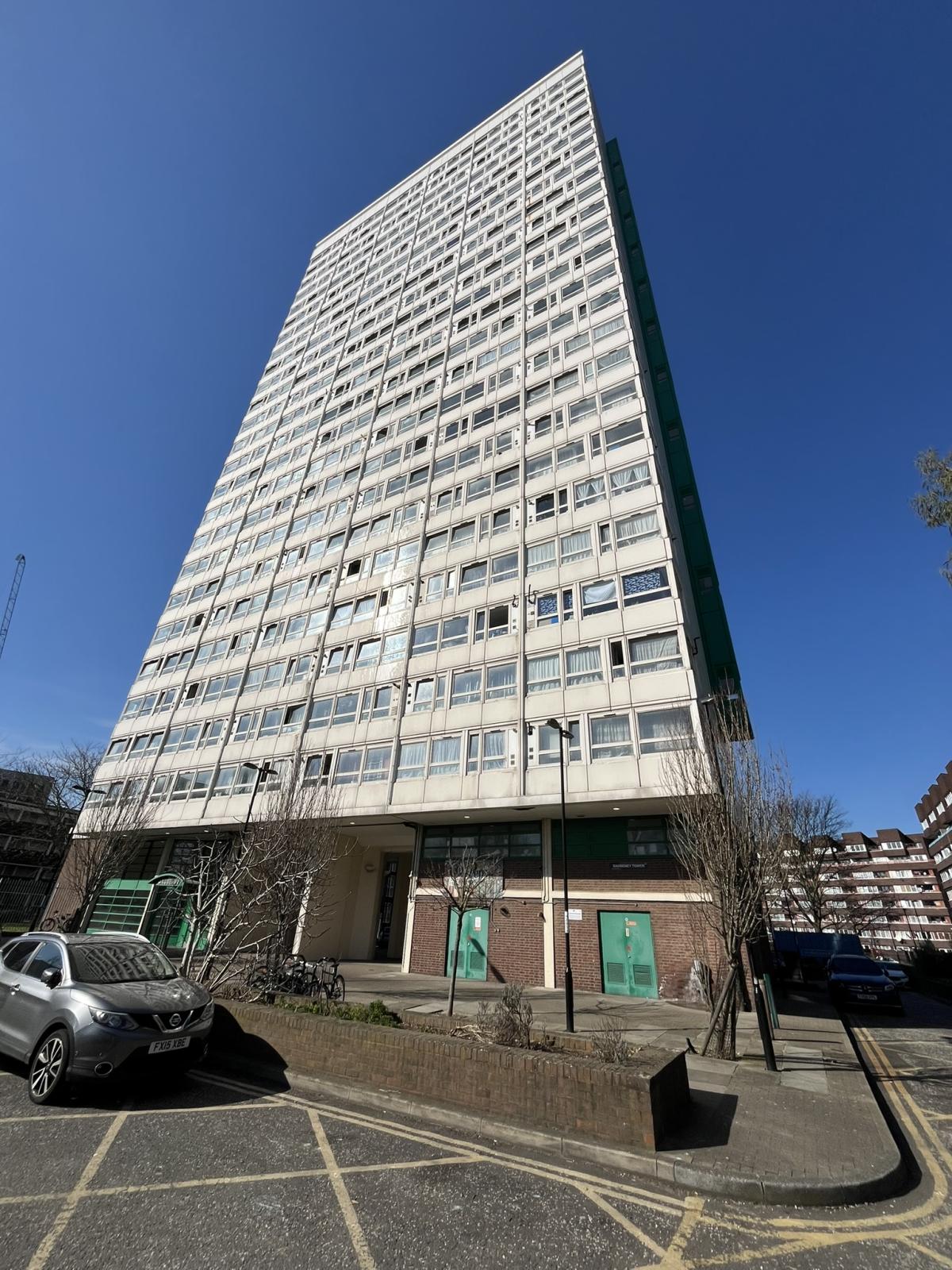
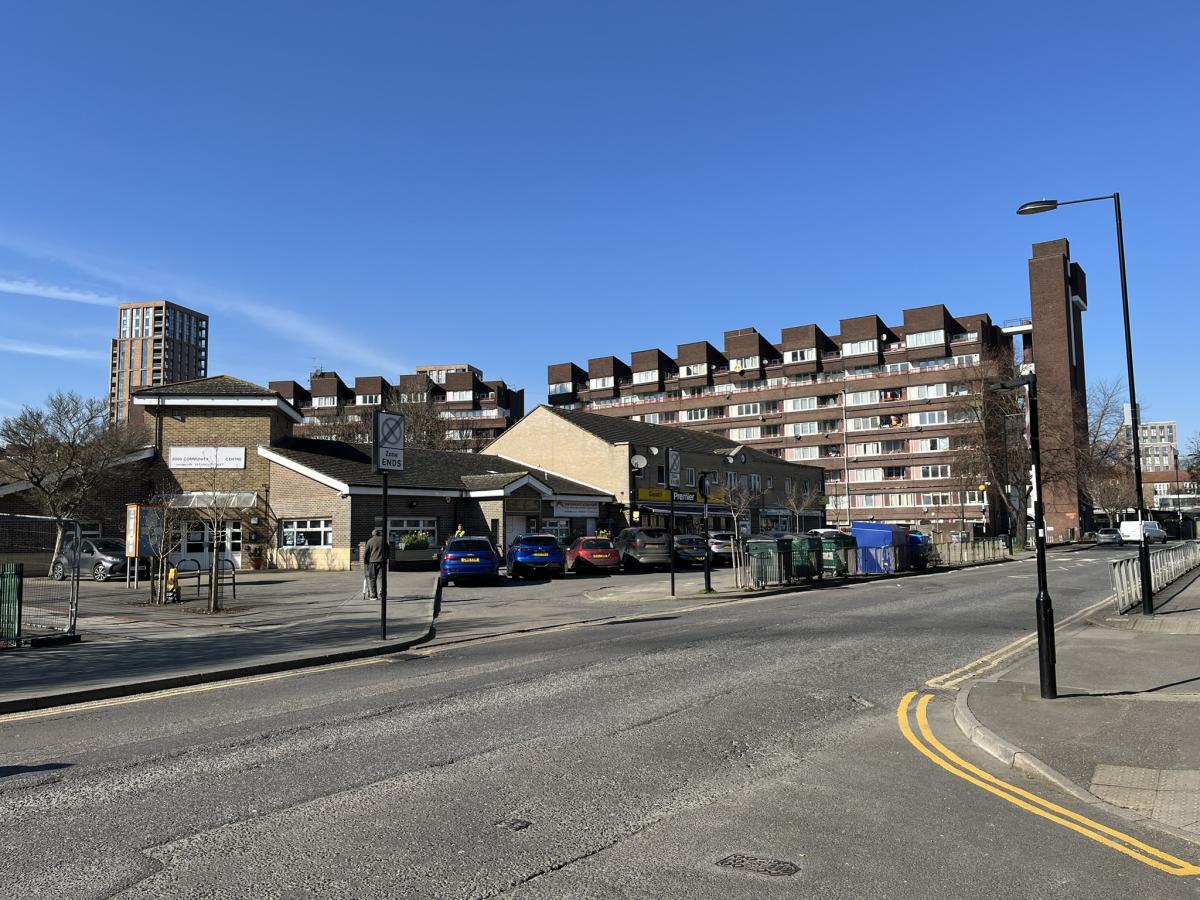
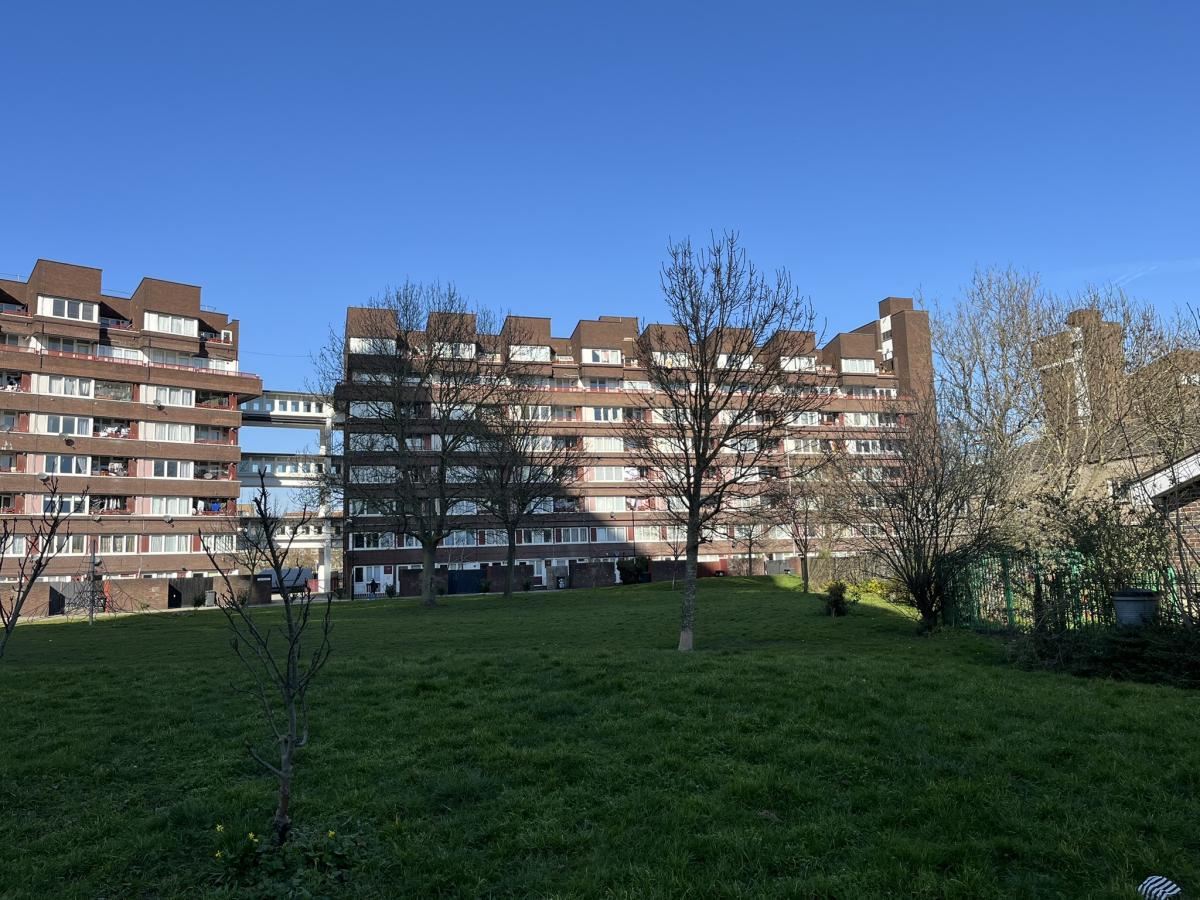
Pepys Estate in Deptford is managed by the London Borough of Lewisham and is one of the largest council estates in London, with high levels of fuel poverty. The project aims to support this housing estate to address gas safety and fuel poverty for an estimated 726 homes. It encompasses:
- an estate-wide decarbonisation strategy with integrated systems
- plans for connecting to a heat network in the future
- replacing end of life gas and electric infrastructure.
“Our team is looking forward to seeing the impact of the work done by the Zero Carbon Accelerator. The project will provide valuable insights that will help us plan and invest in decarbonisation measures for the Pepys Estate, and opportunities to improve the residents’ comfort and quality of life.”
Chris Brown, Director Housing Quality & Investment, London Borough of Lewisham
What support is being offered?
Various partners in the Zero Carbon Accelerator alliance are enabling this project delivery through support at the planning and procurement stages:
- Energiesprong UK are leading the project delivery and client engagement
- COWI are conducting heat network technical MEP analysis
- Pollard Thomas Edwards are offering guidance on retrofit design solutions for fabric and ventilation
- IES UK are providing smart neighbourhood modelling and optimisation analysis
- Mott MacDonald are providing economic and business case support.
What technology is involved?
- consideration of ground source and air source solutions
- heat and cooling network connections
- smart neighbourhood solutions.
What building types are included?
There are two key building archetypes included:
- high-rise social housing blocks
- mid-rise social housing blocks.
“Energiesprong UK are excited to lead this highly practical and delivery-focused project. We have been given a very clear challenge by Lewisham to break the “analysis paralysis” and provide a clear and compelling solution that has been checked with the market to ensure its deliverable in practice.
“We look forward to providing residents with a safer, cleaner and more stably priced solution to make their homes healthier and more comfortable for many years to come.”
Ronan Leyden, Programme Director, ESUK
How does this project align with the Zero Carbon Accelerator’s principles?
The project fosters innovation and will boost the efficiency. We will create replicable templates and guidance to maximise impact and inspire further housing estate decarbonisation across London. This will cover:
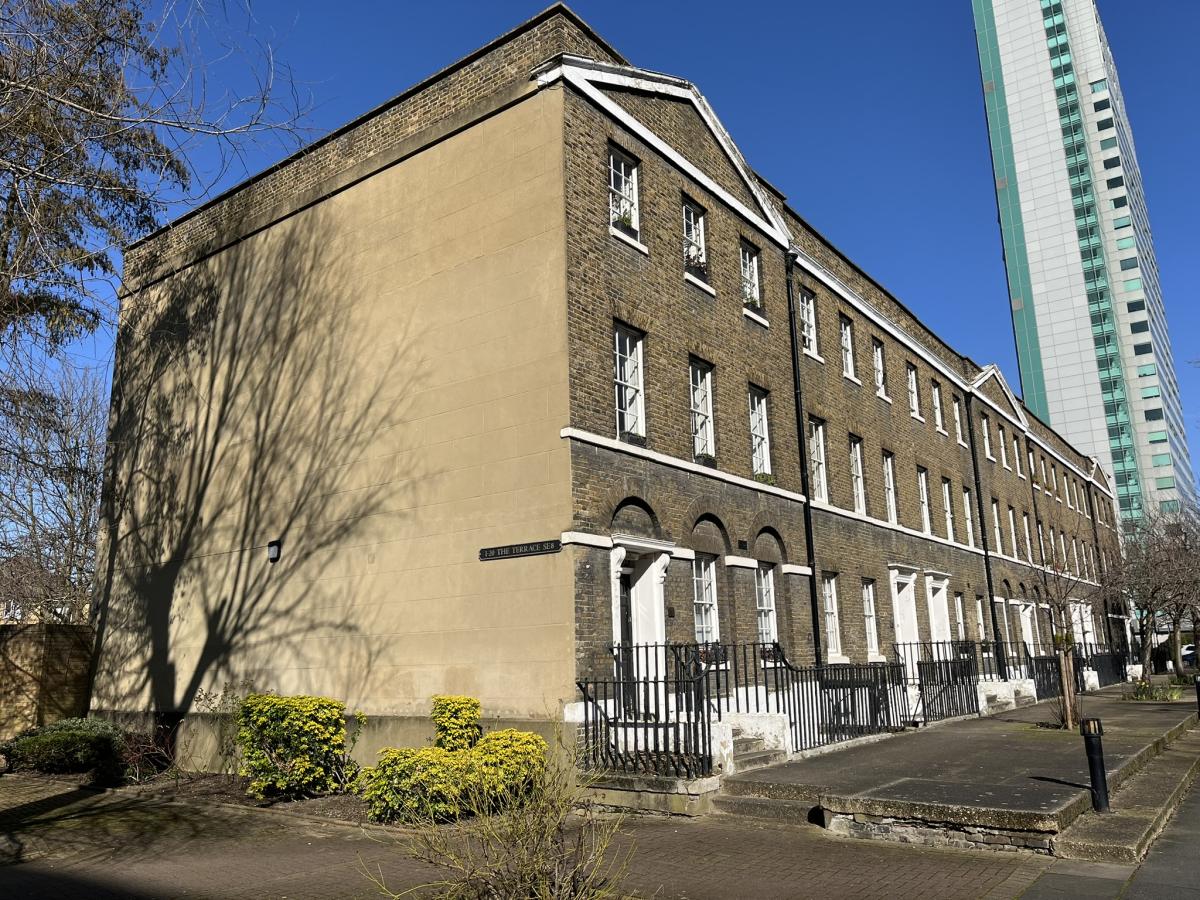
- ways to decarbonise different residential building types: high-rise, mid-rise and low-rise and heritage
- the cost benefits and challenges of accelerating decarbonisation
- how to optimise design and operations at a neighbourhood scale
- how to consider future heat network connectivity at a neighbourhood scale.
The templates and guidance will be shared on the Zero Carbon Accelerator’s Knowledge Hub.
The project will carry out a feasibility study exploring how to make residents’ homes more energy efficient, reduce carbon emissions and directly supports those in fuel poverty. There is also the potential for the project to encompass and benefit an on-site school, two youth centres, library and shops.
What Knowledge Hub resources are we creating?
The training materials include:
- replicable case studies on each building archetype
- archetype-based tools and templates for decarbonisation using third party-financed solutions
- a decision-making process map and datasets covering economic analysis, electric and gas comparisons for mid-rise archetypes, and a detailed heat and power consumption of each archetype.

What social impact commitments are being delivered?
By considering the area’s needs, the Zero Carbon Accelerator team will identify opportunities to support a just transition throughout decarbonisation projects.
We assess project impacts on equalities groups and implement measures to mitigate negative impacts and promote inclusion by:
- understanding the links between decarbonisation activities and reducing inequalities for the local area and community
- identifying how a project might specifically impact different groups, such as older people and children
- developing strategies and plans to mitigate potential issues and enhance project benefits
- supporting with engaging constructively and sensitively with local communities.
This project focuses on reducing fuel bills and price volatility for families and households in fuel poverty, whilst improving air quality and comfort of the internal environment.
What’s the project timeline?
The project runs from January 2025 until Dec 2025.
This proposal seeks short-term solutions that can be integrated into the medium and long-term transformation of the estate.